Show me I matter: Putting lived experience first in mental health support
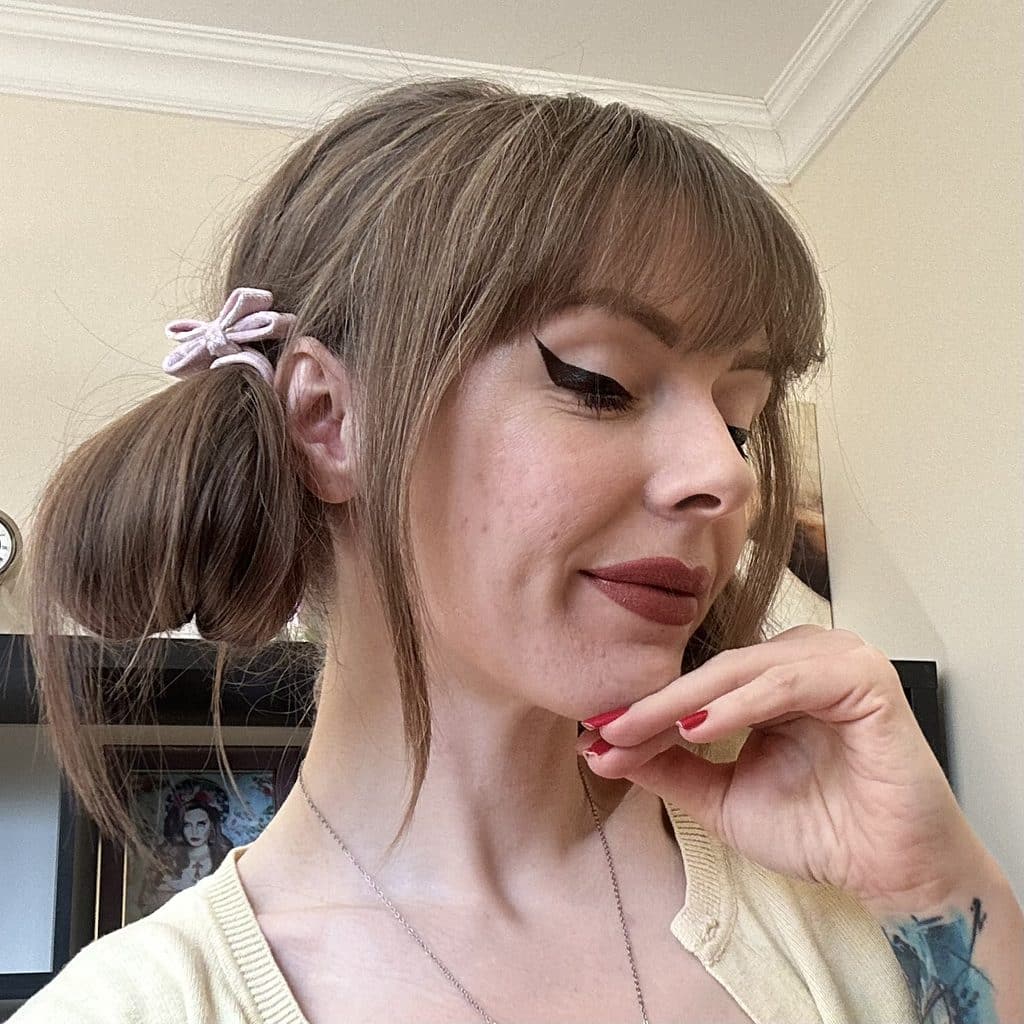
A blog from Lucy Grist, coproduction lead at Step Together for World Mental Health Day 2026. This year’s theme is Lived experiences heard: real voices, real change
For World Mental Health Day, we’re reflecting on the importance of really listening to people with lived experience, not just as an act of kindness, but as something that can change individuals, services and whole systems.
Listening properly means more than hearing someone’s words. It means taking their experience seriously, using it to shape decisions, and recognising the value of the knowledge and expertise people have because of their first-hand experiences.
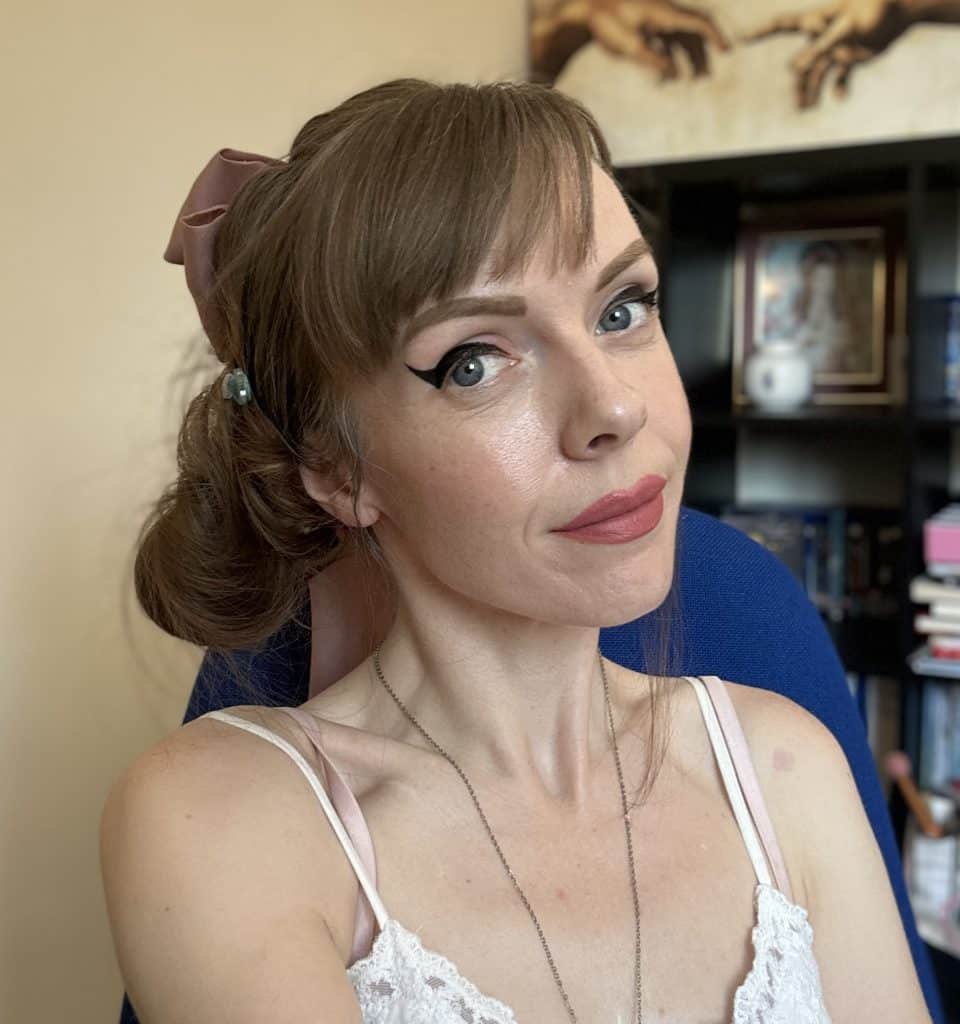
In this personal blog, Lucy Grist, Involvement and Coproduction Co-ordinator for our Somerset service Step Together, writes from her own lived experience about grief, suicide, being heard, and why the way we respond to someone in pain matters.
Ten years ago, we lost Fran (not her real name). Growing up, they were like a sister, and I just… really loved being around them. The last messages we exchanged no longer exist, and I feel sad about that. I feel sad that they were so let down by the system, that they couldn’t see a way forward. To repeatedly ask for help and be repeatedly let down, feels demoralising.
I recently spoke to someone about their experience of accessing services. They’re very hesitant to reach out, and, upon asking why, they shared:
“Why would I? I’ve said the same thing over and over again, and they always just send me home. You don’t discharge and send someone home if they say they’re going to kill themselves. Even if you don’t think they will, there’s still a chance they might.”
“How would you like someone to respond to you in those situations?”
“Just.. show me I matter. Don’t just try to rush me out of the door. Tell me I matter.”
We can’t always change the outcome for someone, and sometimes, when it comes to the system, our hands truly are tied. But I do believe that how we speak to someone matters. Do you try to rush past their experience without being in it with them? Do you offer suggestions without truly hearing them first? Even when our intentions are good, it’s possible to unintentionally move the spotlight from their experience to our need to fix it.
Sometimes… there isn’t a right answer. Sometimes, there isn’t an answer at all. Sometimes, it’s not about finding the right thing to stay, but being able to stay with someone in it. And even then, sometimes the outcome is entirely beyond us. Often, there’s nothing we could’ve done.
There’s nothing you could’ve done.
It took me a several years after living through my own suicide attempt to acknowledge that I like my life. I try to remind myself of that every day, to slow down and find moments of connection. And now, I can wholeheartedly say that I love my life.
I also know that no feeling is final.
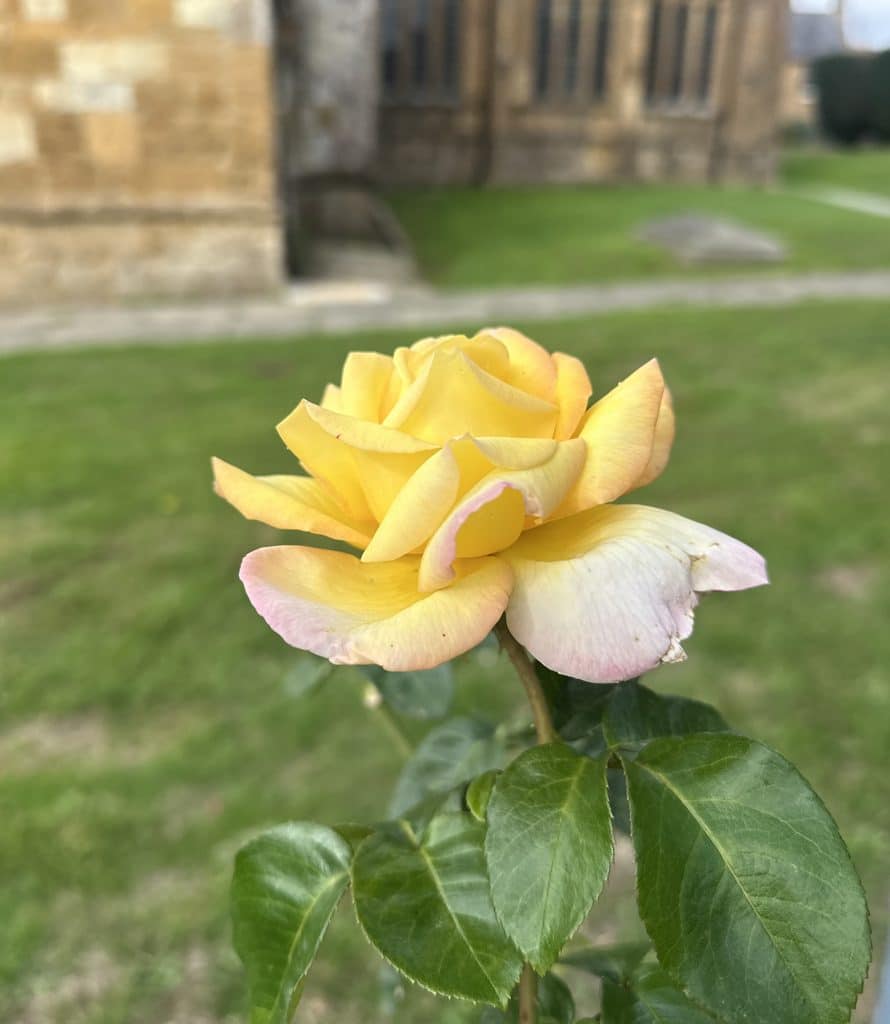
Later that night, I fell asleep feeling grateful to be here, for the people, places and moments that make life feel worth staying for. The next day, I stopped to quite literally smell the roses in the churchyard and sang praise from the pew. Today, I get to meet people where they’re at, hold space for their experiences, and take it back to the board next month. I feel incredibly lucky to be alive; even on my worst days, I still feel incredibly lucky to be alive. And I promise you, no matter how bad things feel right now, you deserve to be here.
You’re allowed to take up space. You are not a burden. You matter.
I promise you. You matter.
Lucy’s words are a reminder that lived experience must not sit at the edge of mental health services. When we truly listen, we give people dignity in the moment, meaning we can create services and systems that are more human, more responsive and more likely to help.