


Content warning: this article mentions suicide and suicidal thoughts
Clients who have experienced suicidal thoughts often tell us they felt invisible, like it wouldn’t matter it they weren’t here. But over decades of providing mental health support, every single person we’ve met has a story worth hearing and a life worth living. Helping clients rediscover hope for the future and the courage to build the life they want is what we do. This World Suicide Prevention Day, we would like to share some of those stories with you.

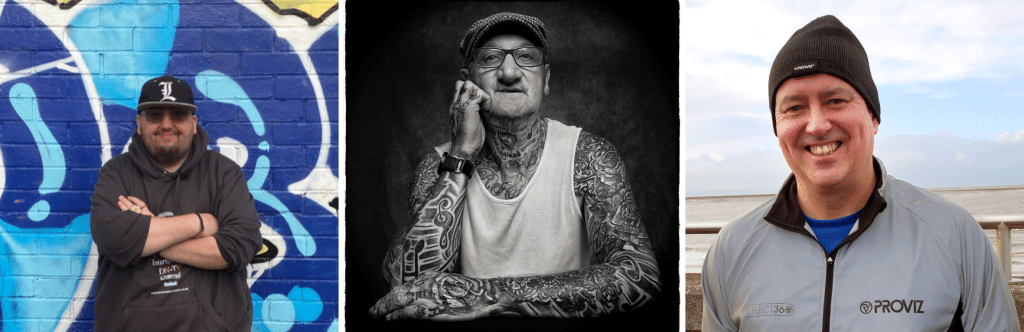
Read the stories in this video:
- Drew’s story– Breaking the stigma of ‘man up’
- Vic’s story– Seeing the world through new eyes in recovery from addiction
- Andy’s story– How running helped my mental health
At Second Step, we offer a wide range of services to help people in crisis at the point they need it, in their local community where they need it. This includes our crisis services in Bristol, Somerset and North Somerset, and our men’s mental health project, Hope.
“I’ve found my confidence again”
Suicide remains the leading cause of death for men under 50 in the UK, and men aged between 50-54 are more likely to take their own life than any other demographic (source: ONS).
Our Hope Project supports men aged 30-64 in Bristol, South Gloucestershire, and North Somerset who are struggling with their mental health due to money, housing or employment issues, with the aim of reducing the risk of suicide in this high-risk group.
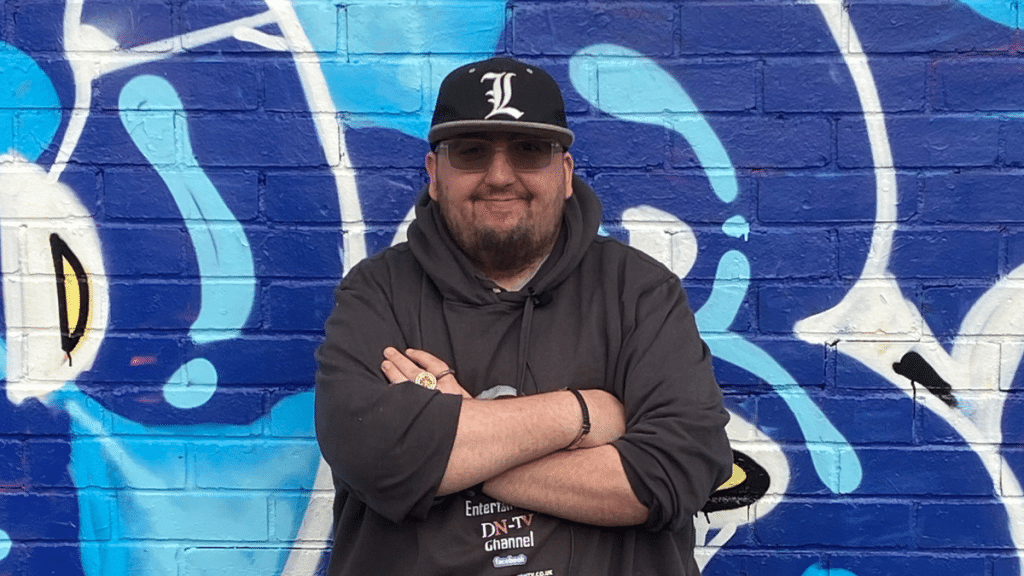
Drew, one of our former Hope Project clients, shared his story with us for World Suicide Prevention Day in 2024. He had struggled his whole life with bullying, abuse and ADHD, and was about to move into temporary accommodation when he first came to us. He’d been let down by services before, and his experiences left him feeling suicidal.
It took a long time to build trust with his Hope Project worker, Ezra. But over time, they built a special relationship where Drew felt supported emotionally through one-to-ones and regular contact. Ezra was also able to provide practical support, for example, helping Drew sort his housing and accompanying him on days out to help him with his anxiety about going outside.
It was this combination of emotional and practical support that helped Drew feel control of his life again and envision a better future for himself.
“Ezra showed me how to build back up and be confident again. She made me feel safe and literally gave me back my life. No other support system has been like it, here I’ve found my confidence again. She’s inspired me to be the person I want to be.”

“Coming out of addiction is going back into reality”
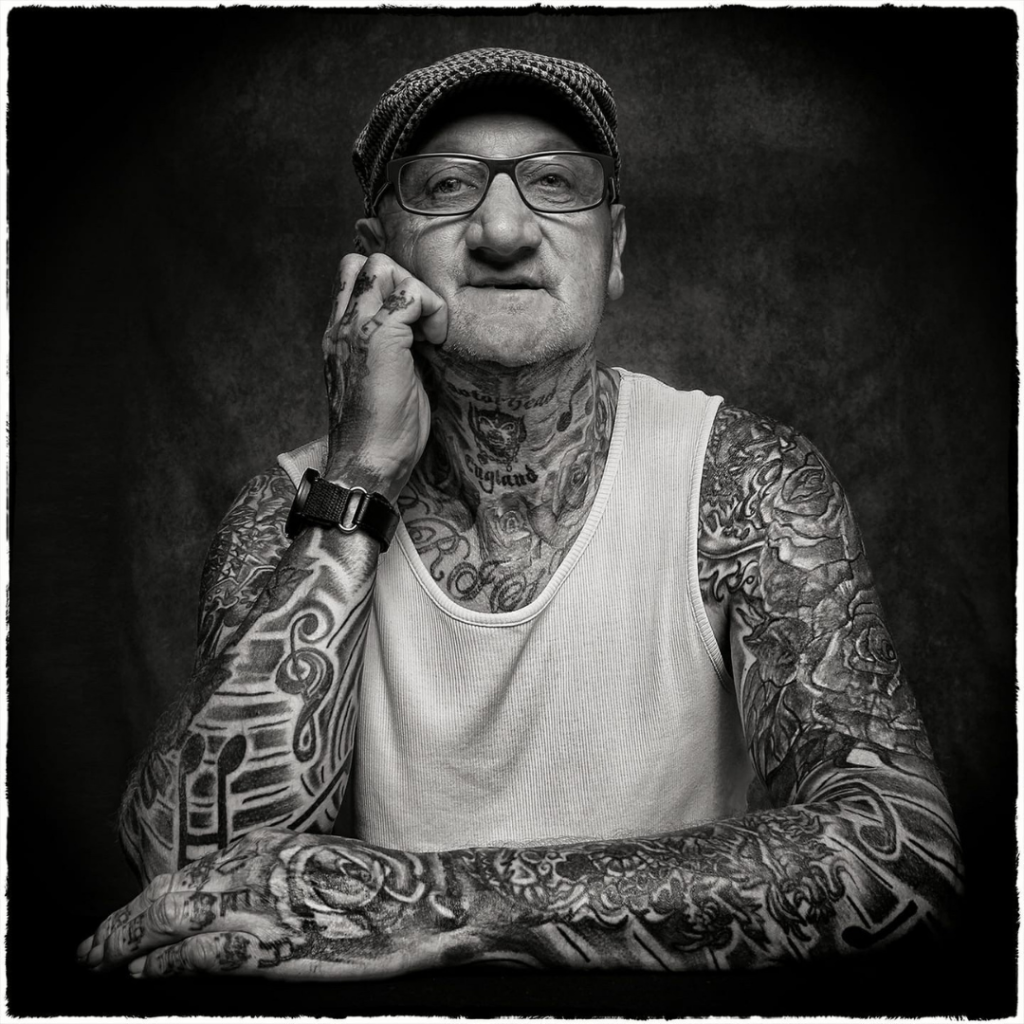
Vic is another former client who benefited from the Hope Project’s unique blend of emotional and practical support.
After experiencing loss and grief in his 20s, he started to self-medicate with alcohol, eventually reaching a point where his doctor warned him he could die.
Vic took the warning seriously and sought support, but he continued to struggle with poor physical health and anxiety.
“I felt like my recovery was slipping out of my hands,” said Vic, “I was starting to get feelings of suicidal thoughts, of maybe life’s too much for me. Maybe it would be better if I wasn’t here.”
It was at this point he was referred to Second Step and started working with Ezra and the Hope Project.
As Vic continued with his support for addiction, the time Ezra spent listening, talking and building trust with him proved vital.
“We worked on my emotional wellbeing, through just talking about my life and experiences and my worries. We have talked through so much and laughed a lot too. Once I began to open up, I found it really easy to keep talking and I trusted Ezra with my worries.”
Vic now says he sees the world through different eyes.
“Everything’s awake. Everything’s alive. Everything’s clear… Everything’s in contrast now, like I’m seeing things for what they really are in reality. And that is the thing, coming out of addiction is going back into reality. And reality is beautiful once you’re in it…
“I am enjoying time by myself and with friends and I am happy and thankful to be alive.”

“Please don’t think we are going to be better off without you”
Many of our male clients report that stigma around mental health and suicidal feelings is still one of the many barriers to seeking and getting support.
“It’s ok for men to have mental health problems, but so many don’t think it is, they think they’re weak and that’s why they take their own lives,” Drew said.
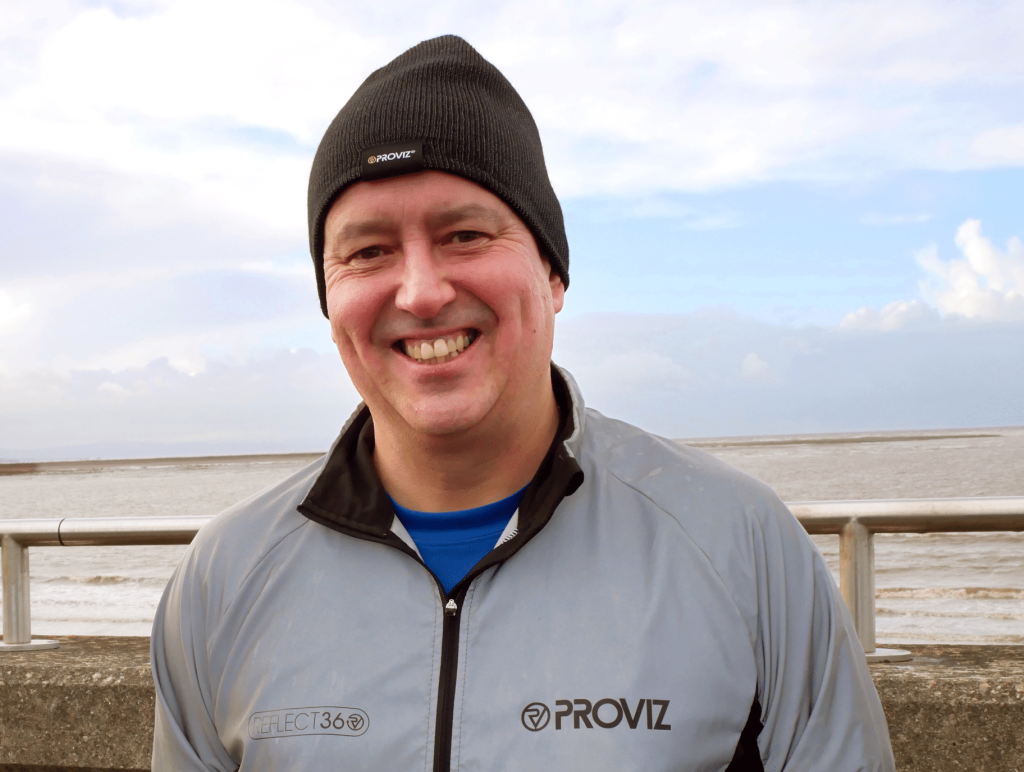
A few years ago, we spoke with Andy, a former Somerset client, about how tough but life changing it can be to challenge this stigma.
“I found it was an escape to be by the sea. It was perfect to park up and just go for a run whatever the weather. I find it lifts your mind.
“There was one point that I practiced what I was going to do (to end my life) and just before that my wife put her arms around me and said, ‘please don’t think we are going to be better off without you’.
“Those two things together made me think to myself, just talk to anyone. I’ve also done counselling, CBT, Reiki – not ‘manly’ stuff but that’s not the point, nowadays it’s stuff to help you and stuff to help you get out of that mindset.”
When he was struggling with grief and his mental health, running quickly became a huge part of Andy’s life. He recommends finding local activities to any other men who are struggling.
“We sit in bed on our phones, scrolling, we need to be looking at things that are out there and that can help us. I would say start looking into things or places you can visit, join a walking group, find a running group, there are online groups, new hobbies to discover that can take your mind away from the negatives.”
He also stresses how meaningful it is for men to support each other.
“I was at my lowest in 2019 and my friend was going through a similar thing, and we would talk to each other and just that text ‘how you doing mate’ was really important.”

Where to find support
If you’re struggling with your mental health and live in Bristol, South Gloucestershire, North Somerset, Somerset, BaNES, Swindon or Wiltshire (BSW), these services can help:
- The Sanctuary for people in Bristol and South Gloucestershire
- Safe Haven Crisis and Recovery Centre in Weston-super-Mare for people in North Somerset
- Crisis Safe Space for people in Somerset (run with our partner Mind in Somerset as part of the Open Mental Health Alliance)
- Riverside Sanctuaryin Salisbury for people in BSW (run by our partner, ALABARÉ)
You can also find mental health helplines and resources on our get help in a crisis webpage.
To find out more about the Hope Project, including referral information, visit the Hope Project webpage.
Follow us this World Suicide Prevention Day
Stay up to date with our latest news and stories on our social media:
@wearesecondstep on Instagram
wearesecondstep on YouTube